

Hair Transplant Surgeon vs Technician: Why It Matters
If you have been researching hair transplants, you have probably come across terms like “surgeon-led procedure” or “technician-assisted clinic.” At first, it may not seem like a big difference. After all, the goal is the same. You want natural, lasting results.
But who is actually involved in your procedure, and how involved they are, can have a major impact on both safety and outcome. If you are considering a hair transplant, understanding the difference between a surgeon-led approach and a technician-driven clinic is one of the most important things you can learn before making a decision.
What Does a Hair Transplant Surgeon Do?
A hair transplant surgeon is a licensed medical professional trained to perform surgical procedures. In the context of hair restoration, their role goes far beyond just being present. A surgeon is responsible for:
- Assessing your hair loss and medical suitability
- Creating a long-term treatment plan
- Designing your hairline
- Overseeing the procedure from start to finish
- Ensuring medical safety throughout
This level of involvement helps ensure that your treatment is tailored, safe, and aligned with your long-term goals.
What Is the Role of a Technician?
Technicians are trained assistants who support the procedure. In a well-structured clinic, they play an important role under medical supervision. They may assist with:
- Preparing grafts
- Supporting implantation
- Helping with patient care during the procedure
The key difference is that technicians are not medical decision-makers. They work as part of a team, not as the primary provider of care.
Why Surgeon Involvement Matters From the Start
Your first interaction with a clinic often sets the tone for your entire experience. In some clinics, consultations are handled by sales representatives or coordinators. This can lead to:
- Generic recommendations
- Limited understanding of your specific case
- Pressure to book quickly
When a surgeon is involved in your consultation, the experience is very different. You receive:
- A proper medical evaluation
- A realistic assessment of your hair loss
- A treatment plan based on long-term outcomes
- Clear answers grounded in expertise
This ensures that your journey starts with accuracy, not assumptions.
Hairline Design Requires Experience and Precision
Hairline design is one of the most important parts of a hair transplant. It determines how natural your results will look. This step requires:
- Understanding facial proportions
- Planning for future hair loss
- Creating a natural and age-appropriate shape
When a surgeon is directly involved in this process, the result is usually more refined and balanced.
A poorly designed hairline can be difficult to correct, which is why this stage should never be rushed or delegated without proper oversight.
Medical Oversight Improves Safety
Hair transplants are considered minimally invasive, but they are still medical procedures. Having a surgeon present ensures:
- Proper use of anesthesia
- Monitoring of your condition throughout the procedure
- Immediate response to any unexpected issues
Without strong medical oversight, even small complications can become more difficult to manage. Safety should always be a priority, not an afterthought.
Consistency in Results
One of the biggest differences between clinics is consistency. Clinics with strong surgeon involvement tend to produce:
- More natural-looking hairlines
- Better graft placement
- More predictable outcomes
When the process is guided by a consistent medical approach, results are more reliable across different patients.
Better Long-Term Planning
Hair loss is progressive, which means it can continue over time. A surgeon-led approach focuses on:
- Preserving donor area for future use
- Avoiding overly aggressive hairlines
- Creating a plan that ages naturally
This kind of planning helps ensure that your results still look good years down the line.
Clear Communication and Accountability
When a surgeon is directly involved, communication tends to be clearer and more consistent. You are able to:
- Ask detailed questions about your procedure
- Understand the reasoning behind your treatment plan
- Feel confident in the decisions being made
It also creates a stronger sense of accountability. The person guiding your treatment is directly connected to your results.
What to Look for in a Clinic
If you are comparing clinics, there are a few key things to pay attention to. Look for clinics where:
- Consultations are done with a qualified surgeon
- The treatment plan is explained clearly and in detail
- The procedure is performed with direct medical oversight
- There is consistency in results across patients
These factors often indicate a higher standard of care.
Why This Matters More Than You Think
At first, the difference between a surgeon-led and technician-driven clinic may not seem obvious. But over time, it becomes clear in the results. A well-planned, carefully executed transplant:
- Looks natural
- Ages well
- Requires fewer corrections
A poorly planned procedure can lead to long-term dissatisfaction and additional costs.
Why Patients Choose Nova Medical Hair Transplant
Patients looking for a hair transplant often want reassurance that their care is handled properly from start to finish. At Nova Medical Hair Transplant, the process is built around direct surgeon involvement at every stage.
Patients value:
- Consultations led by experienced surgeons
- Careful planning and hairline design
- A structured and consistent approach
- Ongoing support throughout the journey
Our process follows the Nova Medical Protocol, which combines medical expertise with a refined system designed to deliver natural, reliable results.
Final Thoughts
When it comes to hair transplants, who is involved in your care matters just as much as the procedure itself. Choosing a clinic with strong surgeon involvement helps ensure:
- A more accurate diagnosis
- A safer procedure
- Better long-term results
If you are considering a hair transplant, take the time to ask how the clinic operates. Understanding the difference between surgeon-led care and technician-driven models can make a significant impact on your experience and outcome.
In the end, it is not just about restoring hair. It is about doing it the right way from the very beginning.
Locations Across North America
World-class hair restoration, close to home.
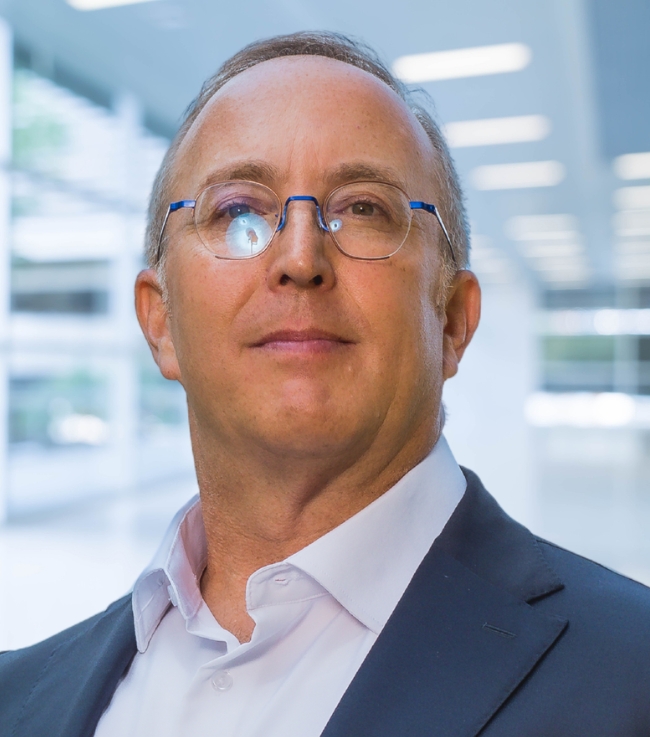 Boston
Massachusetts
Dr. Jeffrey Spiegel
View Location
Boston
Massachusetts
Dr. Jeffrey Spiegel
View Location
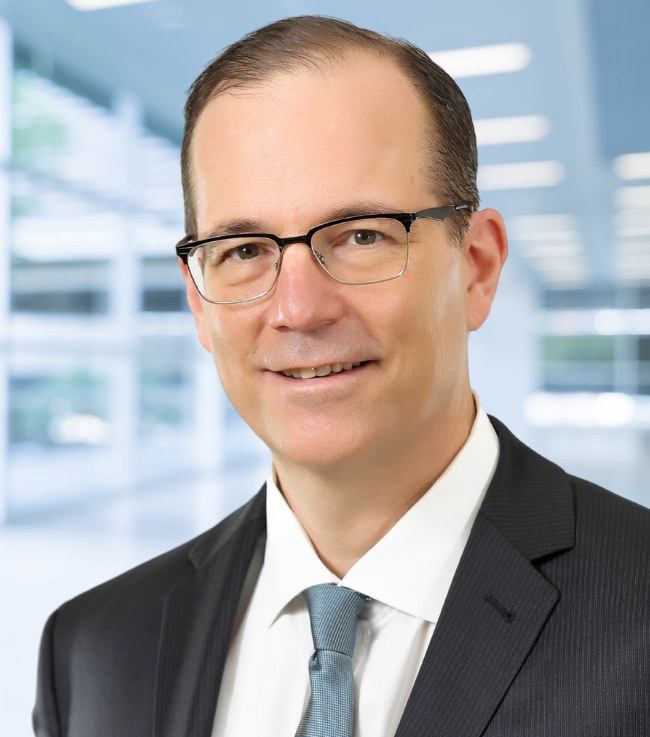 Paramus
New Jersey
Dr. Michael Gartner
View Location
Paramus
New Jersey
Dr. Michael Gartner
View Location
 Nashville
Tennessee
Dr. Dan Hatef
View Location
Nashville
Tennessee
Dr. Dan Hatef
View Location
 Toronto
Canada
Dr. Martin Jugenburg
View Location
Toronto
Canada
Dr. Martin Jugenburg
View Location
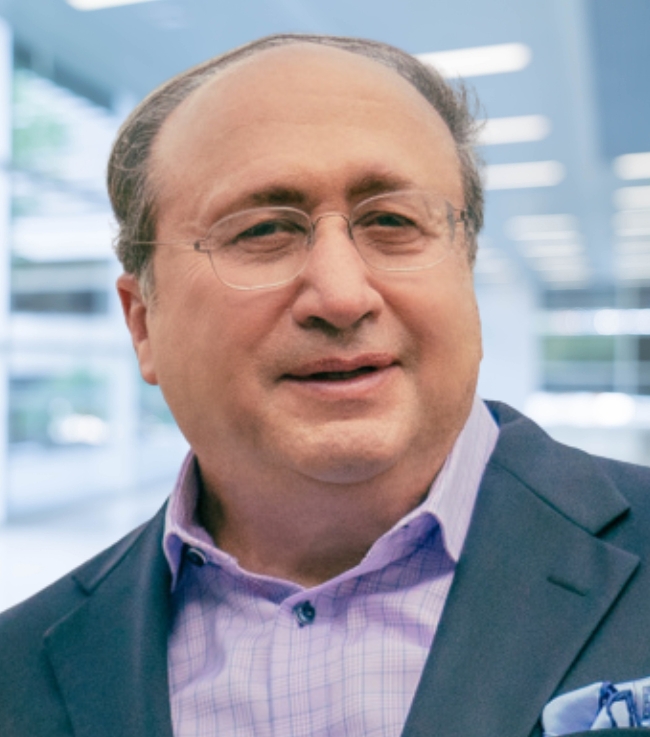 Houston
Texas
Dr. Michael Eisemann
View Location
Houston
Texas
Dr. Michael Eisemann
View Location
 Chicago
Illinois
Dr. Otto Placik
View Location
Chicago
Illinois
Dr. Otto Placik
View Location
 Madison
Wisconsin
Dr. Richard Parfitt
View Location
Madison
Wisconsin
Dr. Richard Parfitt
View Location
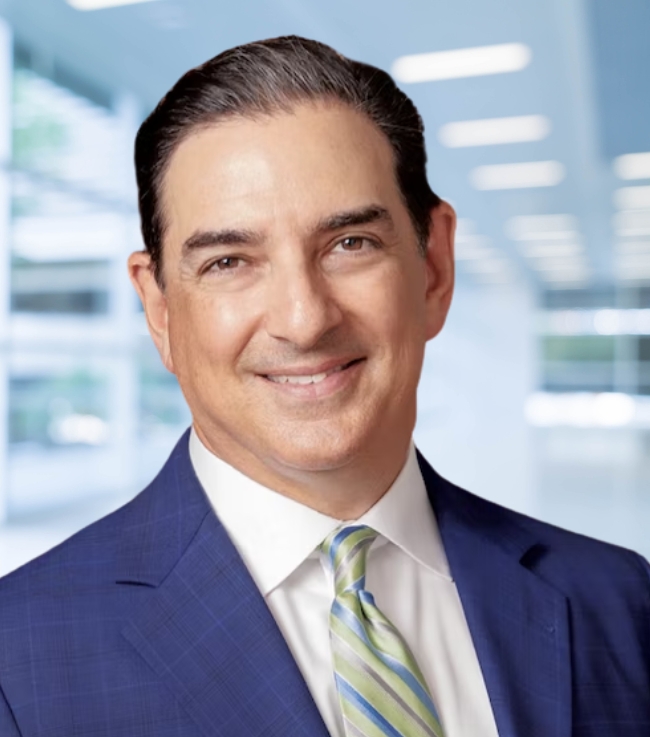 Miami
Florida
Dr. Adam Rubinstein
View Location
Miami
Florida
Dr. Adam Rubinstein
View Location